


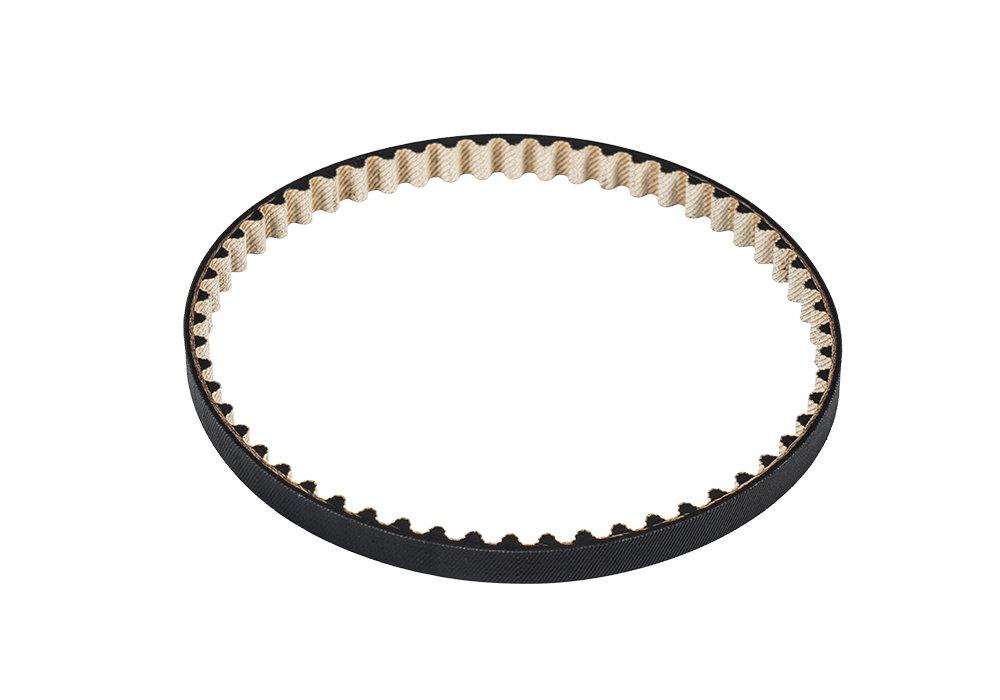
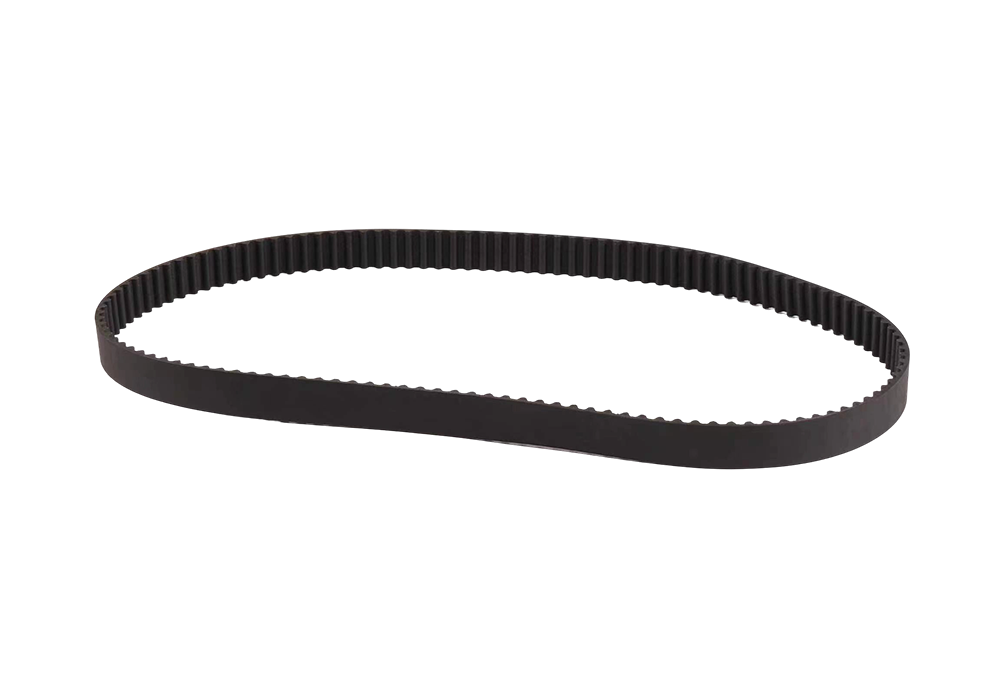
يتعامل حزام التوقيت المطاطي مع الأحمال الثقيلة وعزم الدوران العالي والظروف الخارجية القاسية بشكل أفضل من مكافئ البولي يوريثين، بينما يوفر حزام التوقيت المصنوع من البولي يوريثان دقة أبعاد أكثر إحكامًا وضوضاء أقل وأداء أفضل في البيئات الصالحة للطعام أو البيئات النظيفة. لا تصنع أي من المادتين حزام قيادة توقيت متفوق عالميًا - يعتمد الاختيار الصحيح على الحمل، والتعرض لدرجة الحرارة، ومدى دقة تحديد الموقع التي يتطلبها التطبيق فعليًا.
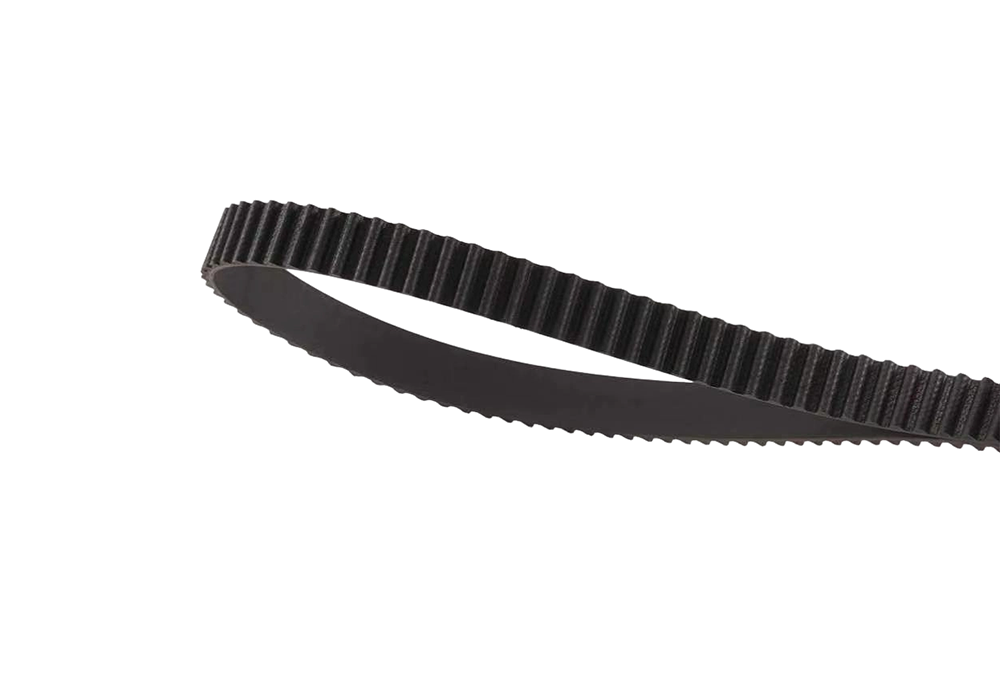
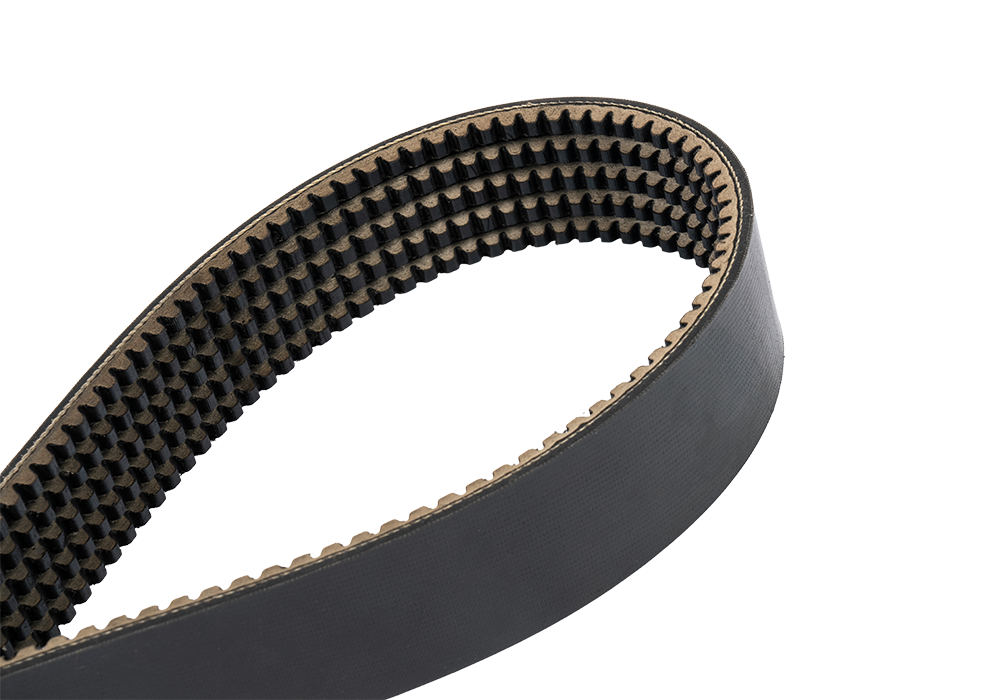
يؤدي كلا النوعين من الأحزمة نفس الوظيفة الأساسية في نظام حزام تشغيل التوقيت - الحفاظ على علاقة ثابتة وغير قابلة للانزلاق بين عمود القيادة والمحرك باستخدام أسنان تتشابك مع بكرة مسننة. أحزمة التوقيت المطاطية استخدم مركب النيوبرين أو الكلوروبرين المعزز بالألياف الزجاجية أو الحبال الفولاذية، مع إعطاء الأولوية للمرونة، وامتصاص الصدمات، ومقاومة الزيوت والعوامل الجوية الخارجية. تستخدم أحزمة التوقيت من البولي يوريثان جسمًا مصبوبًا أو من البولي يوريثين المبثوق معززًا بأسلاك شد من الفولاذ أو الأراميد، مع إعطاء الأولوية لاستقرار الأبعاد، والتمدد المنخفض تحت الحمل، والتشغيل الأنظف بدون الغبار السطحي الذي يمكن أن تتساقطه المركبات المطاطية بمرور الوقت.
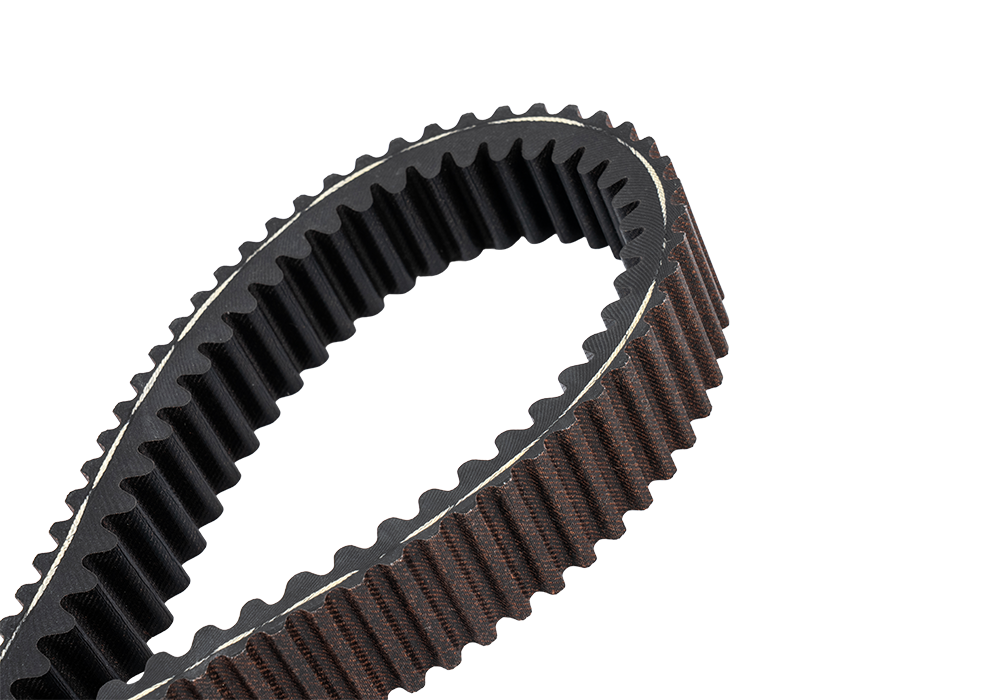
شكل السن له تأثير مباشر على سعة التحميل، والضوضاء، ومقاومة الانزلاق، بغض النظر عن المادة الأساسية التي تم اختيارها. يجب على المشترين الذين يقارنون حزام التوقيت المطاطي بحزام توقيت PU التأكد أولاً من استخدام كليهما لملف أسنان متوافق مع نظام البكرة الموجود بالفعل، نظرًا لأن التشكيلات غير المتطابقة تسبب تآكلًا مبكرًا حتى عندما تكون مادة الحزام نفسها صحيحة للتطبيق.
| الملف الشخصي للأسنان | التعامل مع الأحمال | مستوى الضوضاء | الاستخدام الشائع |
| شبه منحرف (كلاسيكي) | معتدل | أعلى في السرعة | المحركات الصناعية العامة، المعدات القديمة |
| منحني الأضلاع (نمط HTD) | عالية | أقل | عالية-torque industrial and automotive drives |
| منحني معدل (نمط GT) | عالية جدا | أدنى | تحديد المواقع بدقة، والروبوتات، ومعدات CNC |
غالبًا ما تكون بيئة التشغيل هي العامل الحاسم بين المادتين، نظرًا لأن كل منهما يحتوي على منطقة راحة محددة جيدًا قبل أن يتدهور الأداء بشكل ملحوظ.
| الحالة | أداء حزام التوقيت المطاطي | أداء حزام التوقيت PU |
| التخزين البارد، البيئات تحت الصفر | يحافظ على المرونة أقل بكثير من -20 درجة مئوية | يمكن أن تتصلب وتفقد المرونة أقل من -20 درجة مئوية |
| عالية-heat industrial zones | يتحمل ما يصل إلى 120 درجة مئوية تقريبًا في المركبات المقواة | يقتصر عادةً على حوالي 80 درجة مئوية قبل التليين |
| التعرض للزيوت والشحوم | مقاومة بشكل طبيعي في معظم المركبات | يمكن أن يتحلل بشكل أسرع بدون تركيبة محددة مقاومة للزيت |
| بيئات غذائية وصيدلانية نظيفة | يمكن أن تتخلص من جزيئات الكربون الدقيقة مع مرور الوقت | تشغيل أنظف، والحد الأدنى من تساقط الجسيمات |
إن رد الفعل العكسي - القدر الصغير من اللعب بين أسنان الحزام والبكرة - له أهمية كبيرة في التطبيقات التي تتطلب تحديد موضع متكرر، مثل الطابعات ثلاثية الأبعاد، وجسور CNC، وروبوتات الالتقاط والمكان. أحزمة التوقيت المصنوعة من البولي يوريثان، خاصة تلك المعززة بحبال شد فولاذية، تتمدد بشكل أقل تحت الحمل من نظيراتها المطاطية، مما يترجم مباشرة إلى دقة تحديد موقع أكثر إحكامًا عبر الدورات المتكررة.
بالنسبة لنقل الطاقة للخدمة الشاقة - ضواغط القيادة، أو أنظمة النقل الكبيرة، أو المعدات الزراعية - تفضل سعة عزم الدوران الخام عادةً أحزمة التوقيت المطاطية، وخاصة الإصدارات المعززة بسلك فولاذي مصممة للتشغيل المستمر عالي الحمل.
| مستوى تحميل التطبيق | نوع الحزام الموصى به | التعزيز النموذجي |
| الخدمة الخفيفة (المحركات الصغيرة، الناقلات الخفيفة) | بو توقيت الحزام | البوليستر أو حبل الأراميد |
| الخدمة المتوسطة (التعبئة، الأتمتة العامة) | إما حسب البيئة | سلك من الصلب أو الأراميد |
| الخدمة الشاقة (الضواغط، الآلات الصناعية) | حزام التوقيت المطاطي | الحبل الصلب |
| عالية-precision positioning (robotics, CNC) | بو توقيت الحزام | الحبل الصلب |
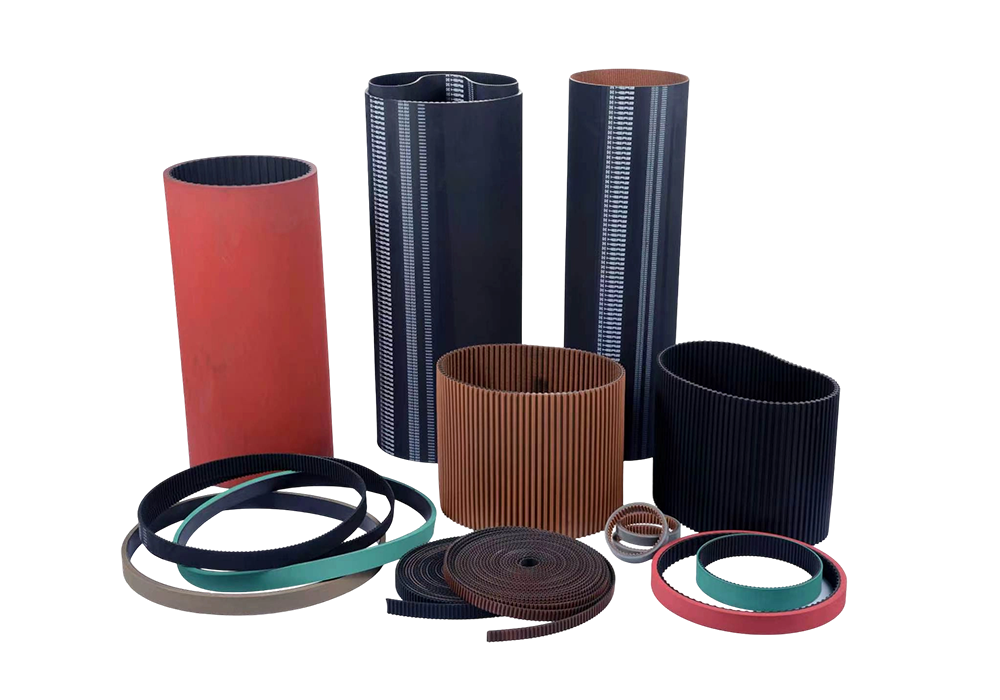
إحدى المزايا العملية التي غالبًا ما يتجاهلها المشترون مقارنة أ توقيت حزام القيادة على الورق وحده: يمكن تصنيع أحزمة التوقيت المصنوعة من مادة البولي يوريثان كمادة مفتوحة الطول ولحامها في الموقع في حلقة مغلقة مخصصة، في حين يتم دائمًا تشكيل أحزمة التوقيت المطاطية بطول ثابت في المصنع. وهذا مهم بشكل كبير لفرق الصيانة وصانعي المعدات الذين يحتاجون إلى أطوال غير قياسية بسرعة.
بعيدًا عن اختيار المواد الأساسية، تميل فرق المشتريات التي تحدد مصادر أحزمة إدارة التوقيت لخطوط الإنتاج الجارية إلى مراعاة العديد من العوامل الإضافية التي تؤثر ماديًا على التكلفة الإجمالية والموثوقية على مدار عمر خدمة الحزام.
تعمل الشركات المصنعة التي يمكنها توفير إمكانية تتبع الدفعات وإصدار شهادات المواد على تقليل المخاطر التي يتعرض لها المشترين في الصناعات الخاضعة للتنظيم مثل معالجة الأغذية والأدوية ومعالجة مكونات الطيران.
يعتبر الاتساق بين الحزام والحزام أكثر أهمية من ورقة مواصفات أي عينة واحدة - فالمورد الذي يتمتع بمراقبة صارمة للجودة يقلل من خطر الانزلاق المتقطع أو التآكل المبكر عبر أسطول كبير من المعدات.
غالبًا ما تتطلب المنشآت التي تتعامل مع الأجهزة الإلكترونية أو المواد القابلة للاشتعال أحزمة ذات مقاومة كهربائية يمكن التحكم فيها، وهي مواصفات لا يتوفر بها كل الموردين بشكل قياسي.
بالنسبة للمعدات التي من المتوقع أن تعمل لمدة عقد أو أكثر، يتساءل المشترون بشكل متزايد عما إذا كان شكل الحزام المحدد وعرضه سيظلان متاحين لسنوات الاستبدال، وليس فقط عند الشراء الأولي.
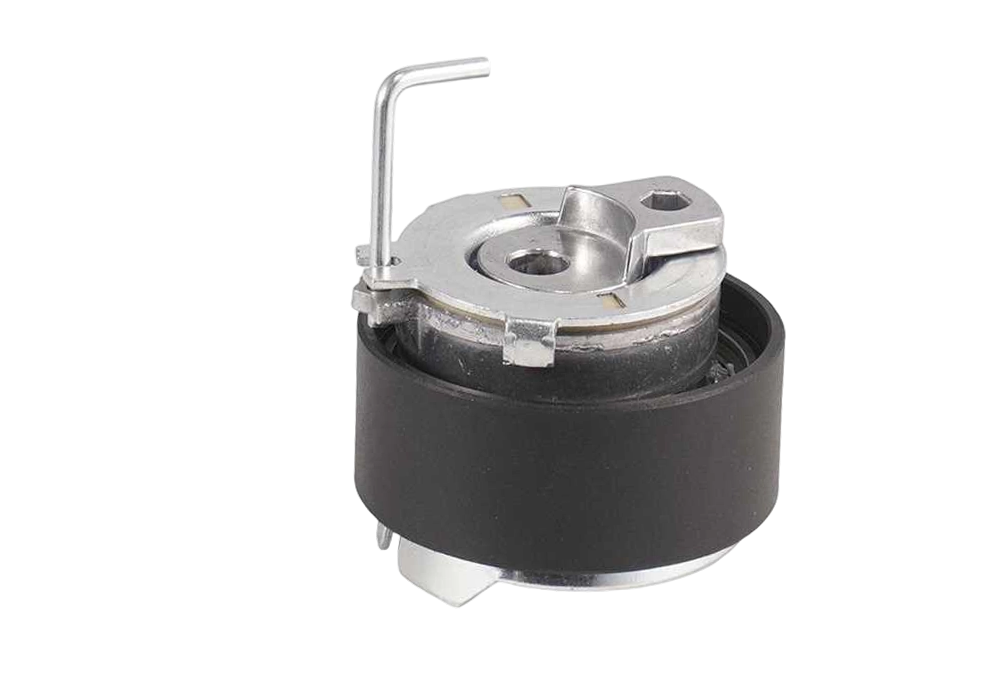
يؤثر الشد الصحيح على عمر خدمة أحزمة التوقيت المطاطية و أحزمة توقيت بو أكثر من أي عامل منفرد آخر تقريبًا، ومع ذلك تظل إحدى الخطوات الأكثر شيوعًا التي يتم تجاهلها أثناء التثبيت والصيانة الروتينية.
| عامل التثبيت | التأثير على حياة الحزام |
| الإفراط في التوتر | يسرع من تآكل الأسنان ويزيد من حمل التحمل على الأعمدة |
| نقص التوتر | يسبب قفز الأسنان وانزلاقها ووضعها غير المتناسق |
| اختلال البكرة | يؤدي إلى تآكل غير متساوي للحواف وفشل مبكر للحزام |
| تخزين غير مناسب قبل التثبيت | يمكن أن يؤدي التعرض للأشعة فوق البنفسجية ودرجات الحرارة القصوى إلى تحلل كلتا المادتين قبل الاستخدام الأول |
يظل فحص التوتر القائم على التردد، وقياس تردد الاهتزاز الطبيعي للحزام مقابل النطاق المستهدف المحدد من قبل الشركة المصنعة، الطريقة الميدانية الأكثر دقة لتأكيد التوتر الصحيح على كل من أحزمة التوقيت المطاطية وأحزمة التوقيت المصنوعة من البولي يوريثان، وهي أكثر موثوقية بكثير من الحكم على التوتر من خلال الشعور بالوحدة.
تختلف فترات الفحص الروتيني قليلاً بين المادتين بسبب أنماط التآكل المميزة وأنماط الفشل.




 English
 Español
 Português
 عربى
عربى